
Health & Nutrition Benefits of Farmed Salmon
Fish, like salmon, contain nutrients essential for overall health and wellness. The 2020-2025 Dietary Guidelines for Americans recommend consuming 8 ounces (or two to three servings) of seafood per week, including choices high in omega-3 fatty acids, such as farmed Chilean salmon. Increased consumption provides excellent nutrition and is part of a health lifestyle.
Farmed salmon and wild salmon offer similar nutritional value. Compared to wild salmon, farmed salmon often contains more omega-3 fatty acids, which are considered health-protecting, good fats.
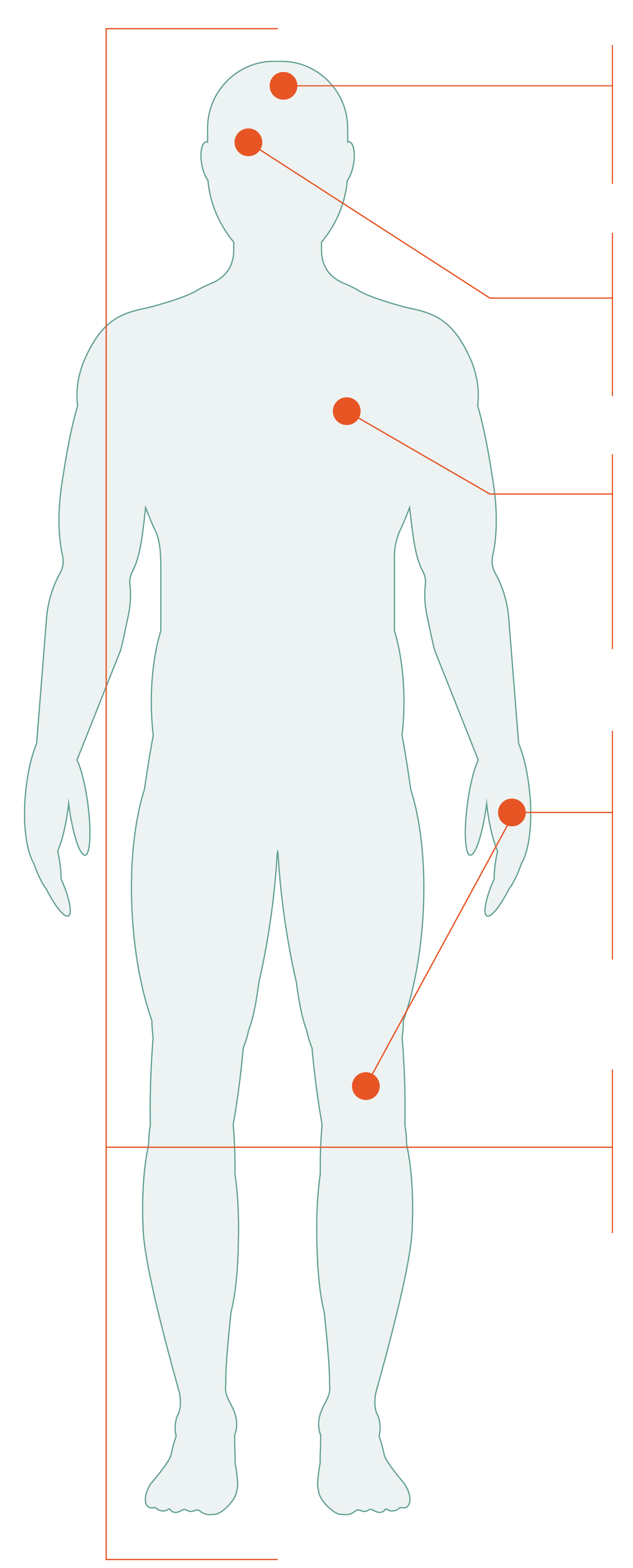
Brain Health
Eating 2-3 servings of fatty fish, such as salmon, per week is associated with a 20% lower risk of depression
Eye Health
Several studies suggest omega-3 fatty acids help protect adult eyes from dry eye syndrome.
Heart Health
Eating 1-2 servings of fish and/or fish oil per week has been associated with a 36% reduction in risk of dying from heart disease.
Joint Health
Research suggests people who regularly eat fish high in omega-3 fatty acids, like salmon, are less likely to develop rheumatoid arthritis.
Healthy Aging
In one study, older adults who had the highest blood levels of omega-3 fatty acids lived, on average, 2.2 years longer after the age of 65 than those with lower levels.
Child Health
Omega-3 fatty acids are essential for a child’s nervous system and vision and the World Health Organization says fish can be crucial to infant brain development.
Healthy Aging
In one study, older adults who had the highest blood levels of omega-3 fatty acids lived, on average, 2.2 years longer after the age of 65 than those with lower levels.
Child Health
Omega-3 fatty acids are essential for a child’s nervous system and vision and the World Health Organization says fish can be crucial to infant brain development.
Healthy Aging
In one study, older adults who had the highest blood levels of omega-3 fatty acids lived, on average, 2.2 years longer after the age of 65 than those with lower levels.
Child Health
Omega-3 fatty acids are essential for a child’s nervous system and vision and the World Health Organization says fish can be crucial to infant brain development.